

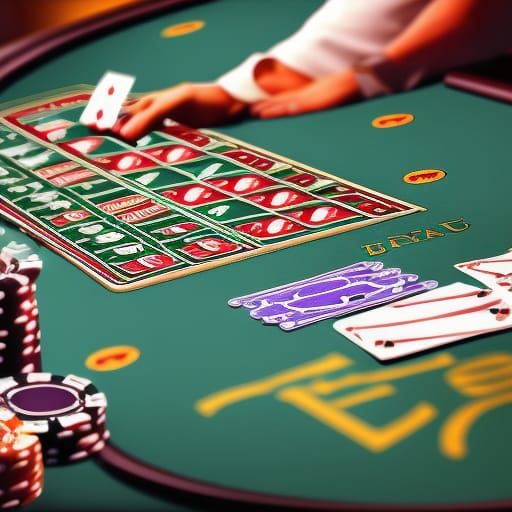
The Electric Pulse of Instant Games
Instant casino games are like grabbing a shot of espresso while running a marathon. They are fast, flashy, and full of unexpected twists that pull players in. The appeal is easy to grasp—press a button, get results in seconds, and maybe even watch fortunes shift right before your eyes. The competition among platforms is fierce, and sites like kingjohnnieplay.com try to capture that lightning-in-a-bottle effect that keeps players coming back.
In a strange way, instant games mimic the tempo of daily life now. There’s always movement, alerts, tiny bursts of dopamine. I sometimes catch myself thinking that this is why they fit so naturally into people’s habits. They don’t ask you to wait, only to react. And maybe that’s the secret— that pure, almost impulsive click that feels both risky and rewarding.
How Reflexes Meet Casino Excitement
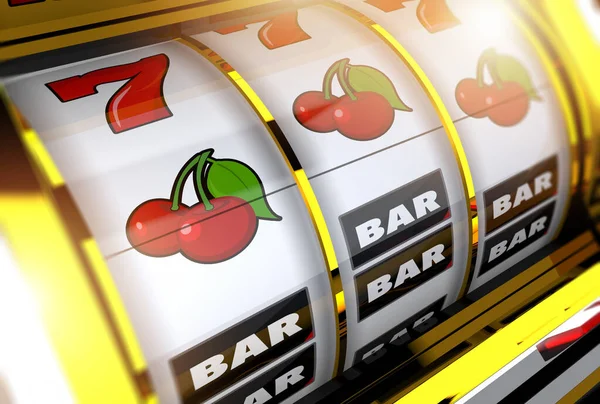
Fast-response games, especially in the online casino world, aren’t only about luck. They become small exercises in timing, concentration, and observation. While a slot spin may depend purely on chance, how long you stay in, whether you chase bonuses, or when you stop—those moments are governed by reflex. I noticed this after playing for longer sessions; sometimes hands move before thoughts do.
Micro-Moments of Decision
Each instant round creates what I think of as a micro-decision. You decide in fractions of seconds whether to continue, to double down, or to quit. The brain fires signals rapidly. It’s thrilling, but also oddly instructive. Because in that chaos, you learn how quickly you adapt. It’s like testing your reflexes under digital pressure, guided by vivid colors and sound effects that trigger immediate emotional cues.
Features Keeping Players Engaged
What separates compelling instant games from the rest often lies in their structure. Many developers balance repetition and reward in clever ways, making each round unique enough to prevent fatigue. Casinos layer this with visually rich environments and tight betting loops. And those design details aren’t just pretty—they’re psychologically calibrated to keep people fully present.
- Instant bonus activations that light up after only a few seconds of play.
- Mini-leaderboards showing current winners to trigger competitive energy.
- Progress bars and quick-win multipliers that tease the next big reward.
These micro features remind players that every move counts. They spark engagement and encourage immediate reaction. Gamers who stay aware of their choices might even notice how their speed of response starts improving outside the game environment too. Strange, but it happens.
Tech Behind the Tempo
Instant casinos rely heavily on next-gen software frameworks, reducing latency so results appear in almost real time. When you click, the feedback is nearly instant, and that continuity makes a difference. I once played a game where the delay was half a second longer—it felt annoyingly sluggish. That tiny delay broke the rhythm entirely. Speed is part of the design language now, inseparable from the experience.
The Psychology Behind Quick Reactions
It’s curious how these energetic moments can feel both cognitively intense and effortless. The brain responds to flashing lights and sounds with measurable arousal, flooding attention centers. There’s definitely science behind that adrenaline rush, the one that makes players chase “just one more round.” Still, balance is key. The best players, I’ve observed, aren’t the fastest, but the most aware of their reactions.
- Keep sessions short to preserve clear focus.
- Notice emotional triggers and slow them down consciously.
- Recognize that quick doesn’t always mean better.
Instant games in modern casinos may look like harmless rounds of luck, but they teach agility—both mental and physical. There’s almost a paradox to it: relaxation found in rapid motion. Things blur together, yet that blur becomes meditative once you’ve settled into the rhythm.
Strategies to Stay Sharp
The players who thrive in fast-play environments don’t just rely on instinct. They build mental checkpoints. Some even keep mental timeouts between spins or rounds, allowing adrenaline to reset before continuing. It’s a discipline thing, perhaps similar to how gamers handle intense esports rounds. Casinos nurture this adaptability, and platforms that structure bonuses wisely tend to attract more skilled, mindful users.
I think that’s what makes instant games oddly personal. They mirror how we handle pace and emotion in general life. For a few seconds, every sound and flash tests balance, concentration, and restraint. That’s the real game hiding behind the reels—learning yourself through split-second choices.